

More of Information's, Educational materials, both on project, journals, seminars, term papers., politics, advert etc.
Friday, April 20, 2018


Wednesday, March 14, 2018
SHORT MESSAGE SERVICE (SMS) AND ENGLISH LANGUAGE USAGE IN SELECTED SECONDARY SCHOOLS IN NSUKKA URBAN
BY
EKERUE CHINEDU J.
SHORT MESSAGE SERVICE (SMS) AND
ENGLISH LANGUAGE USAGE IN SELECTED SECONDARY SCHOOLS IN NSUKKA URBAN
TABLE OF CONTENTS Title Page - -
- - - - i Approval Page - - - - - - ii Dedication - - - - - - - iii
Acknowledgments - - - - - - iv Table of Contents - - - - - - v List of Tables -
- - - - - vi Abstract - - - - - - - vii 1.1 CHAPTER ONE: INTRODUCTION - 1 1.2
Statement of Problem - - - 9 1.3 Research Questions - - - 10 1.4 Purpose of
Study - - - 10 1.5 Significance of Study - - - 10 1.6 Scope of Study - - - 11
CHAPTER TWO: LITERATURE REVIEW 2.0 Introduction - - - 12 2.1 Theoretical
Framework - - - 12 2.1.1 Neogrammarian Theory of Language Change - 13 2.1.2
Image Theory of Meaning - - - 15 2.1.3 The Dynamics of Language - - - 16 2.1.4
Computer Medicated Communication (CMC) - 18 2.1.5 The Global System for Mobile
Communication (GSM) 20 2.1.6 GSM Service - - - 22 2.1.7 Short Message Service -
- - 24 2.1.8 Advantages of Short Message Service (SMS) - 26
2.1.9 Some Features of SMS - - -
27
vii
2.1.10 SMS as a Writing Skills -
- - 29 2.2 Empirical Studies - - - 29 2.2.1 GSM and the Nigerian Situation - -
35 2.3 Conclusion - - - 38 CHAPTER THREE: METHODOLOGY 3.0 Introduction - - - 39
3.1 Research Method - - - 39 3.2 Area of Study - - - 42 3.3 Population - - - 42
3.4 Sample and Sampling Technique - - 43 3.5 Research Instrument - - - 43 3.6
Analysis of Data - - - 44 CHAPTER FOUR: COLLECTION AND ANALYSIS OF DATA 4.0
Introduction - - - - - - - 45 4.1 Research Question One - - - - - - 46 Table I;
Unusual Abbreviations and their Suspected Meaning in the Students‟ Essay
Writing - - - - - 46 Table II: Grammatical Errors in the Students‟ Essay
Writing - 49 Table III: Punctuation Errors in the Students‟ Essay Writing - 51
Table IV: Spelling Errors in the students‟ Essay Writing - 52 4.2 Research
Question Two - - - - - 55 Table V: Unusual Abbreviation and their Suspected
Meaning in the Students‟ Text Messages - - - - - 55 Table VI: Grammatical
Errors in Students Text Messages - 57 Table VII: Punctuation Errors in the
Students Text Message - 58
viii
Table VIII: Spelling Errors in
the Student‟s Text Message - 59 4.3 Conclusion - - - - - - - 62 CHAPTER FIVE:
DISCUSSION AND CONCLUSION 5.0 Introduction - - - - - - 63 5.1 Discussions of
the Findings - - - - 63 5.1.1 Findings from Students‟ Essay Writing - - 63
5.1.2 Findings from Students‟ Text Messages - - 66 5.2 Recommendations - - - -
- - 69 5.3 Conclusion - - - - - - - 71 5.4 Suggestions for Further Research - -
- 72 References - - - - - - - 73 Appendix AI – 20: Samples of Students‟ Essay
Writing Appendix BI – 15: Samples of Students‟ Text Messages
ix
LIST OF TABLES Table Pg i.
Unusual Abbreviations and their Suspected Meaning in the Students‟ Essay
Writing - - - - - 46 ii Grammatical Errors in the Students‟ Essay Writing - 49
iii Punctuation Errors in the Students‟ Essay Writing - - 51
iv. Spelling Errors in the
Students‟ Essay Writing - 52
v. Unusual Abbreviation and their
Suspected Meaning in
the Students‟ Text Messages - - -
- - 55
vi. Grammatical Errors in
Students Text Messages - - 57
vii. Punctuation Errors in the
Students Text Message - - 58
viii. Spelling Errors in the
Students Text Message - 59
x
ABSTRACT
The advent of the technology
called Global System of Mobile Communication (GSM) has brought in a paradigm
shift from the conventional English Language Writing, to what researchers now
call SMS system of communication. This has been observed in many places as well
as Nigeria. English language being an official language in Nigeria and fast
becoming a global language cannot diffuse into un-intelligibility through such
influences like SMS language. The importance of language generally to man is
such that any virus that portends catastrophe to it attracts special attention.
Some research works have been carried out to trace the influence of the
emerging trends on the users of this technology; this project is one of
researchers aims at identifying the influence of SMS language on the writing
performance of secondary school students, in Nsukka Urban Area of Enugu State,
Nigeria. An extensive literature review has been carried out on the GSM
technology, its special features especially the Short Message Services (SMS)
that brought in this encoding of English language through text message,
computer mediated communication, the importance and dynamics of language and
other relevant aspects of the project topic. From the foregoing it is obvious
that the SMS of GSM influences students’ writing.
CHAPTER ONE 1.1
INTRODUCTION Global system for
mobile communication (GSM), is a digital telephone system that digitalizes and
compresses data to help improve the speed of wireless mobile when
communicating… (answers.yahoo.com/question/index3/11/09). GSM is one of the
leading digital cellular systems that use narrowband Time Division Multiple
Access (TDMA) which allows eight simultaneous calls on the same radio frequency
(Webopedia.internet.com/img/mock/rcat-new.gif.12/10/09). This system of
communication is far more advanced than the traditional analogue cellular
technology (Computer.com/ITNewspaperJan.2002 Pg.11). GSM uses a variation of
time division multiple access (TDMA) and is the most widely used of the three
digital wireless telephony technologies (TDMA, GSM and DMA).In 2007, more than
690 mobile networks provide GSM services across 213 countries and GSM
represents 82.4% of all global mobile connections. According to GSM world,
there are now more than 2 billion GSM mobile phone users worldwide. The number
of mobile subscriptions the world is expected to see by the end of the ongoing
year (2009) is reportedly heading for 4.6 billion as reported by the
International Telecommunication Union (ITU) secretary, recently (Softpedia.mht.14/10/09).
One of the objectives for the GSM-based platform was to offer advanced services
and functionality from a single network, and to meet this goal, the designers
made it part of the standard and based the architecture on the Integrated Services
Digital Network (ISDN) called model. (Comptuer.com/ITNewspaperl.Jan. 2002
Pg.11). GSM services are a standard collection of applications and features
available to mobile phone subscribers all over the world and are the world‟s
most dominant mobile phone standard. The design of the service is moderately
complex because it must be able to locate a moving phone of the same service
anywhere in the world. The GSM standard also provides separate facilities for
transmitting digital data. This allows a mobile phone to act like any other
computer on the Internet, sending and receiving data via the Internet protocol
(Wikipedia, 2009). The mobile may also be connected to a desktop computer,
laptop or Personal digital Assistants (PDA), for use as a network interface
(just like a modem or Ethernet card) (Wikipedia, 2009). With the ascendancy of
Information and Communication Technology (ICT), the world has been compressed
into a global village. GSM enhanced the velocity of world communication. The
gamut of services which mobile phone renders include
(1) Integrated Voice Call
(2) Internet Access; (separate
facilities for transmitting digital data which allows a mobile phone to act
like any other computer on the internet, sending and receiving data via the
internet protocol)
(3) Circuit Switched Data
(4) General Packet Radio Service
(GPRS),
(5) Music Player, (Mp3)
(6) Calculator
(7) Calendar
(8) Digital Colour Camera
(9) Short Message Services (SMS)
(10) MAPS
(11) Weather Channel
(12) You Tube
(13) Dictionary
(14) Encyclopedia
(15) Light
(16) Clock/alarm etc.
All these services are mostly
transmitted in the English language. The internet, with the majority of its
content/ learning is written in English and it is no wonder that people of this
planet are using the English language as the vehicle and bridge across borders
and cultures. The language has become a source of unity in communicating with a
rapidly changing world (Baskerville, 14). So, at a time in history when people
want to, and can, through the Internet connect with the world, English just
happens to be the tool close at hand that can do the job. English language
commands unparalleled international intelligibility. Onuigbo and Eyisi (2009,
v) describe it as an important centripetal force that….. pulls divergent chords
towards a central point in spite of the diversity of the world today. Even
though computer and lasers are tools for the space age, English is the language
of transmission. It has become a lingua franca, a global language regularly
used and understood by many nations for whom English is not their first
language. Any virus that interferes with English language learning portends a
catastrophe for world unity and peace in the globalization process. With two
billion people now speaking English or learning to speak it, we can creditably
imagine a genuine global language.
Short Message Service (SMS)
language or textese is a term for the abbreviations and slang most commonly
used owing to the necessary brevity of mobile phone text messaging. The
objective of textese is to use the fewest number of characters needed to convey
a comprehensible message, hence, punctuation, grammar, and capitalizations are
largely ignored. People like John Humphrey, a Welsh journalist and television
reporter, has criticized textese as “wrecking our language”. He describes
emoticons and textese as “irritating” and essentially lazy behaviours, and
summarised that “sloppy” habits gained while using textese will result in
student‟s growing ignorance of proper grammar and punctuation” (Wikipedia
14/01/09). David Crystal in his findings summarized in his popular book Txting:
“the Gr8 Db8” says that despite scholarly research to the contrary, the popular
notion that text messaging is damaging to linguistic development of young
people and to the English language itself persists.
(mhtml:file://:\smslanguage-Wikipedia,the free encyclopedia. Mht12/10/09).
Peter Baskerville in his book
Global English: a Paradigm Shift (www.knol.google.com 14/10/09) says: “change
has been the one constant in the development of the human race since the
beginning. But never has change been so immense as it has been in the past decade.
Just think about the massive changes taking place in our environment,
technology, communications and economies just to name a few… and so it is now
with language, in the form of Global English. According to him, recent
statement has been made by researchers, that English in the 21st century has
not only become the lingua franca of international business but is becoming the
lingua franca of all global communication. The eventual effect on the English
of this development can only be guessed at today, but there can be little doubt
that they will be as important as anything that has happened to English in the
past sixteen hundred years (Philip, Durkan.www.askoxford.com/world of
Oxford/history. 1/10/09). In Nigeria , GSM means telecom explosion. The GSM
revolution began in August 2001 and changed the face of Information and
Communications Technology (ICT) in Nigeria. Since the GSM launch, mobile
telephony has rapidly become the most popular method of voice communication in
Nigeria. Growth has been so rapid that Nigeria has been rightly described in
various fora as “one of the fastest growing GSM markets in the world”. A
growing number of population in Nigeria own a mobile phone, making it an
increasingly important aspect of everyone‟s lives. Likewise, GSM has
revolutionized our business environment. Today, the people of Nigeria can
transact their business from the comfort of their homes through the GSM
facility (mhtml:file://E:\allAfrica-com. 16/10/09). Hamadoun Toure,
International Communication Union (ITU) secretary general said, “ICT
(Information and Communication Technologies) are vital within developing
countries to ensure that ordinary people can fully participate in the knowledge
economy of the 21st century (Softpedia.mht. 14/10/09). Nigeria is developing,
and so… should not allow the ICT driven globalization, development, peace and
unity be hampered by the said serious influence of the GSM/SMS, internet/email
systems of communication. A high proficiency in the communicative ability of
Nigerians in English language should rather be encouraged. Opinion differs as
to the use of SMS language. People have expressed their concern about the
influence of SMS on the English language and said that the popular SMS and
e-mail phonetic spelling have corrupted the English language. There have been
some reports in the media of children using SMS language for essay in school:
(mhtml:file://H:\sms language. 10/14/09).
Prince Charles in The Guardian of
June 8, 2005 attacked teachers in a gathering, saying that plans to allow
children to study text messaging as part of GCSE English studies were damaging
the prospects of future generation. Others maintain that text messaging is
merely one stage of our revolution and it is on the way out. While some people
decry the woe of text messaging and SMS language, others like David Crystal, a
Professor of Linguistics in the University of Wales, Bangor9 said in The
Guardian of February 28, 2005, that “the advent of new language styles and
forms engendered by the Internet, and related communication development such as
SMS messaging, should be greeted with delight”. To him, it is the greatest
opportunity for the development of the English language since the advent of the
printing press in the Middle Ages (mhtml:file//E:\textually_org). Experts
believe that the new form of communication such as mobile phone texting, email
and internet messaging are helping us to stay in touch with each other
(mhtml://:GlobalEnglish.org/English a paradigm shift). In China, it is believed
that text messaging preserves everyone‟s dignity by eliminating the human
voice. It has also been observed that English has undergone four stages in the
past and is in the process to the fifth. The four stages English Language has
undergone as recorded by Peter Baskerville are
(1) Old English (Germanic tribe)
450 to 1100 AD
(2) Middle Age English (William
the Conqueror) 1100 – 1500 AD
(3) Modern English (Dialect of
London) 1500 – 1800 AD.
(4) Late Modern English
(Industrial Revolution) 1800 – 2000.
(5) Post Modern English (Internet)
since 2000.
Baskerville consequently observed
that “those sceptable about a new English being created from the technology of
the internet and text messages will only need to view the new 900 SMS acronym
list from a social mobile network provider SMS Fun Dictionary to see how a new
language can form from English within just a few years. The curiosity for this
project arose when I intercepted a student teacher‟s text message during a
gathering. This was what I saw in her mobile phone. Hi hw r u. U‟re gr8,
ryt? GF, I wntd 2 c u FTF A3 drng d hols, bt u wr scrse. FYI, u r enlstd 4 an
award in ur dept. IMHO, u sld rsh bk 2 skul 2 clm it, IYKWIM CUL. :-*, MK
The effort both the girl and I made to decode the message proved abortive,
until I personally took this message home and used the internet to find the
full meaning of some of the abbreviations. The translation reads thus: “Hello
love, how are you? You are great, right? Girl friend, I wanted to see you face
to face, any place, anytime, any where during the holidays, but you were
scarce. For your information, you are enlisted for an award in your department.
In my humble opinion, you should rush back to school to claim it, if you know
what I mean. See you later, smiling! Mike Love”
It may be illogical to hope and
to believe that language is dynamic and thus not allow the apprehensions
created by the above mentioned systems become verified. From the foregoing, it
is obvious that something is happening between the conventional English grammar
and/or usage and the system of its usage in the GSM/SMS as an information
communicating technology. The pattern with which information is passed through
the GSM has changed in structure and probably in other linguistic levels of
English language. The major interest in this project is therefore to find out
whether GSM/SMS system of communication has influenced conventional English
language to such extent that students in secondary schools forget the standard
rules of the language.
Some researches have been done on
the influence of GSM/SMS language, with university undergraduates. An example
is that of the National Universities Commission (NUC) and the British Overseers
Administration (ODA) in 1990. Chiluwa (www.educ/utas.edu/au/users/Journal, Oct.
2009), of the Covenant University, Nigeria also researched on the extent to
which textmessaging constructs Christian value belief system and sentiments in
Nigeria. In the same vein a similar investigation was carried on the
socioliguistic of mobile phone SMS usage in Cameroon and Nigeria by Feuba Wanji
Elvis of the Department of English, University of Yaunde. Ezekwesili (2008:
382) has also studied the impact of GSM/ICT on undergraduate writing. All these
researches found adverse impacts of SMS coded language on the English language.
To the best of my knowledge, no such research has been conducted with secondary
school students. No analysis has also been done on the pattern of text
messaging with this group of students in Nsukka Urban. This study therefore,
aims at determining the influence of the short message service (SMS) on
secondary school students on the learning of this all important language and by
extension, on the teaching of the most widely spoken language of our time,
English.
FOR FULL MATERIAL PLS
CALL 08032849308
FOR FULL MATERIAL PLS
CALL 08032849308
Wednesday, January 10, 2018
LIST OF TRADEMARK CLASSES IN NIGERIA
LIST OF CLASSES
CASS 1
Chemical used in industry, science and photograph, as
we as in agriculture, Horticulture and forestry, unprocessed plastic; fire
extinguishing composition; tempering and substances, adhesive used in industry.
CLASS 2
Paints, varnishes, lacquers, preservatives against
rust and against deterioration of wood, colorant, mordant, raw natural resins,
metal in foil and powder form for painter’s decorators, printers and artist.
CLASS 3
Bleaching preparation, other substance for laundry
use, cleaning, polishing scouring and abrasive preparation, soap, perfumery,
essential oils, cosmetics, hair lotions dentifrices.
CLASS 4
Industrial oil and grease, lubricant, dust absorbing,
wetting and binding composition fuels (including motor spirit) and illuminant,
candles, wicks.
CLASS 5
Pharmaceutical, veterinary and sanitary preparation,
dietetics substances adapted for medical use, food for babies plasters,
materials for dressing, materials for stopping
teeth, dental wax, disinfectants, preparation for destroying vermin, fungicide,
herbicides.
CLASS 6
Common metals and their alloys, metal building
materials, transporting building of metals for railway tracks, non-electric
cables and wire of common metals, iron menageries, small items of metal
hardware, pipes and tubes of common metal, safes, good of common metal not
included In other classes areas.
CLASS 7
Machines and machines tools, motors and engines
(except for land vehicles) machines coupling and transmission component (except
for land vehicles), agricultural implement and incubators for eggs.
CLASS 8
Hand tools and implements (hand operated) cutlery,
side arm, razor, fork and spoons.
CLASS 9
Science, nautical, surveying, electric
photograph cinematography, optical weighing measuring, signaling, checking
(supervision) lifesaving and teaching apparatus and instruments, apparatus for
recording, transmission or reproduction of sound or images, magnetic apparatus,
recording disc, automatic vending machines and mechanism for coin-operated
apparatus, cash registers, calculating machines, data processing equipment and
computers, fire extinguishing apparatus.
CLASS 10
Surgical, medical, dental and veterinary apparatus and
instrument, artificial limbs eyes and teeth, orthopedic articles, suture
materials.
CLASS 11
Apparatus for lighting, heating, steam generating,
cooking, refrigerating, drying ventilating, water supply and sanitary purposes.
CLASS 12
Vehicles apparatus for locomotion by land, air or
water.
CLASS 13
Firearms, ammunition and projectiles, explosives,
firework.
CLASS 14
Precious metal and their alloy and goods in precious
metal or treated therewith, not included in other classes, jewelry, precious
stones, homological and chronometric instrument.
CLASS 15
Musical Instruments.
CLASS 16
Paper classes, printed matter, bookbinding
materials, photograph materials, paint brushier, cardboard and goods made from
these material, not included in to, typewriters and office requisites (except
furniture) instructional and teaching materials (except apparatus), plastics
materials for packaging (not included in other classes), playing cards,
printers, type printing books.
CLASS 17
Rubber, gutta-percha, gum, asbestos, and goods made
from these materials and are not included in other classes, plastics in
extruded form for use in manufacturer, packing stopping and walking stick,
whips, harness and saddler.
CLASS 18
Leader and imitations of leaders and goods made of
these materials and not included in other classes, animal skin, hides, trucks
and traveling bags, umbrellas, parasols and walking stick, whips, harness and
saddler.
CLASS 19
Building materials (nonmetallic) nonmetallic rigid
pipe for building, asphalt, pitch and bitumen, nonmetallic transportation
building monument not of metal.
CLASS 20
Furniture, mirrors, picture frames, goods (not
included in other classes) of wood, cork read, cane, wicker, horn, bore, ivory,
malbone, shell, amber, mother of pearl, meerschaum, and substitutes for all these materials or of
plastics.
CLASS 21
Household or kitchen utensils and container, (not of
precious metal or coated therewith), combs and sponges, brushes (except paint
brushes), brush making materials, articles for cleaning purposes, steel wool,
unworked or semi-worked glass (except glass used in building) glassware not included
in other classes.
CLAS 22
Ropes, sting, net, tenets, awning, tarpaulins, sails,
sacks, and bags (not included in other classes), padding and stuffing materials
(except of rubber and plastics. )raw fibrous
textile materials.
CLASS 23
Yarns and threads, for textile use.
CLASS 24
Textile and textile goods, not included in other
classes, bed and table covers, tissues (piece goods).
CLASS 25
Clothing, footwear, headgear, clothing including
boots, shoe and slippers.
CLASS 26
Lace and embroidery, ribbons and braid; buttons, hooks
and eyes, pins and needles; artificial flowers.
CLASS 27
Carpets, rugs, mat and matting, linoleum and other
materials for covering existing floor, wall hanging (non textile).
CLASS 28
Games and playing, gymnastic and sporting articles not
included in other classes, decoration for Christmas tree.
CLASS 29
Meat, fish poultry and game, meat extracts, preserved,
dried and cooked fruit and vegetable, jellies, jam, fruit sauces, egg, milk and
milk product, oil and fat.
CLASS 30
Coffee, tea, cocoa, sugar, rice, tapioca, sago artificial coffee, flour and preparation
made from cereal, bread pastry and confectionary, ice, honey, yeast, baking
powder, salt mustard, vinegar, sauces (condiments), spices, ice, pepper
vinegar.
CLASS 31
Agricultural, horticulture, and forestry product and grains
not included in other classes, live animals, fresh fruits and vegetable seeds,
natural plants and flow foodstuffs for animal malt.
CLASS 32
Beers, mineral and aerated waters and other non
alcoholic drinks, fruit drinks and fruit juices, syrup and other preparation
for making beverages.
CLASS 33
Alcohol beverages, (except beer) wines, spirit and
liqueur.
CLASS 34
Tobacco, smoker’s articles, matches.
CLASS 35
Advertising, business management, business
administration, office function.
CLASS 36
Insurance and financial affairs, monetary affair, and
real estate affair.
CLASS 37
Building construction, repair, and installation
services.
CASS 38
Telecommunication.
CLASS 39
Transport, packing and storage of goods, travel
arrangement.
CLASS 40
Treatment materials.
CLASS 41
Education, providing of training entertainment,
sporting and cultural activities.
CLASS 42
Scientific & Technological Services & Research
& Design relating thereto Industrial analysis Research service Design and
development of computer, hardware and software
CLASS 43
Service for providing food and drink, temporary
accommodation
CLASS 44
Medical services, Veterinary services, Hygienic &
Beauty care for, human beings or Animals, Agriculture, Horticulture &
Forestry service.
CLASS 45
Legal Services, Security Services for the protection
of property and individual, personal and social services rendered by others to
meet the need of individual.
FOR EFFECTIVE AND EFFICIENT TRADEMARK CONTACT
JAMES 08032849308
FOR EFFECTIVE AND EFFICIENT TRADEMARK CONTACT
JAMES 08032849308
Friday, September 22, 2017

Tuesday, July 18, 2017
ONE DAY WORKSHOP ON ENTREPRENEURSHIP SKILL DEVELOPMENT AND LEADERSHIP
FIRST DANCROSS CONSULTING LIMITED
Organises
ONE DAY WORKSHOP ON
“ENTREPRENEURSHIP SKILLS DEVELOPMENT AND LEADERSHIP”
1.1. INTRODUCTION: The workshop seeks to impact entrepreneurship skills to enable participants make decisions, evaluate business plans and as well as impact the acquired skills. Entrepreneurs are achievement motivated people who take the risks to establish business ventures, produce goods and render services that are needed by the society and thereby creating for themselves and others. The reality on ground is that there can be no successful entrepreneurship without possessing unique qualities of a leader. Since these qualities are difficult to possess, concerted effort must be made to identify such potentials as well as developing them for the benefit of the person in particular and our society in general.
1.2. WORKSHOP OBJECTIVES:
a) To understand the concept of entrepreneurship and leadership
b) To ascertain leadership types and skills required in successful entrepreneurship
c) To identify business opportunities
d) To demonstrate how to prepare business plan and feasibility study.
e) To define personal entrepreneurship characteristics
f) To develop leadership capabilities to manage a business
g) To manage challenges of business environment through application of successful leadership skills
h) To identify leadership strategies for successful business management
1.3. WORKSHOP CONTENTS
a) Concept of entrepreneurship and leadership
b) Leadership types and skills refined in successful entrepreneurship
c) Identification of business opportunities
d) Business plan and feasibility study preparation
e) Personal entrepreneurship characteristics
f) Entrepreneurship, innovation and creativity
g) Entrepreneurship skills and personality
h) Leadership and business success
i) The role of government in SMES
1.4. TARGET AUDIENCE/PARTICIPANTS
The workshop is designed for prospective entrepreneurs, business men and women, unemployed youth, employees in public and private organisations, Non-governmental Organisations, community based organisations, Donor Agency staff as well as employees planning for retirement and ordinary people who want a way to generate Income and become financial independent.
1.5. ATTENDANCE/REGISTRATION FEE
- Workshop registration fee = N5000 only
- Certificate of attendance = N10,000 only
1.6. FACILITATORS
1. Dr. Dele Olaolu 2. Dr. Nkem Obaji
Department of Banking and Finance Department of Business Administration,
Nasarawa State University, Keffi Nile University of Nigeria, Abuja
3. Dr. C.O. Daniel
Department of Business Administration,
Nile University of Nigeria, Abuja
1.7. VENUE AND DATE
Venue: First Dancross Consulting Limited, Chrisgold Plaza, Block 3,
Beside Oando Filling, Abacha Road Junction, Abuja-Keffi Road, Mararaba.
Date: Saturday 26th August, 2017 (9.00am – 4.00Pm)
Contact Person: Dr. C.O. Daniel
07086253343, 08068277429
Friday, June 16, 2017
LOOK !LOOK !! LOOK!!!!!!!!! : LOBTGOTT AGRICULTURAL OIL ARE NOW ON HOME DELIVERY
LOOK !LOOK !! LOOK!!!!!!!!!
LOBTGOTT AGRICULTURAL OIL, ARE NOW ON HOME DELIVERY...........
WE DELIVER AT UR DOOR STEP ON DEMAND OF ANY OF OUR PRODUCTS
PALM OIL
COCONUT OIL
MORINGA OIL
AND OTHERS


Wednesday, May 24, 2017
Saturday, November 12, 2016

Tuesday, November 1, 2016
LOADING "CHWALI BOGA" RIGHT IN NIGERIA ABOUT UNVEIL
solving your problem on
*marketing constant *trade marks issues
*corporate affairs issues *untrained marketers
*ready to advertise your company to the world *solving any problem relating to marketing that you have
*project management *issues on making your product sell.
*etc.
****prepare to partner with us now
Monday, September 12, 2016

Sunday, August 21, 2016
20 PROVEN COCONUT OIL BENEFITS
According to medical research, coconut oil benefits the body in the following ways:
alzheimers Illustration
1. Proven Alzheimer’s Disease Natural Treatment
 The digestion of MCFA’s by the liver creates ketones which are a readily accessible energy by the brain. Ketones supply energy to the brain without the need of insulin to process glucose into energy.
Recent research has shown that the brain actually creates it’s own insulin to process glucose and power brain cells. As the brain of an Alzheimer’s patient has lost the ability to create it’s own insulin, the ketones from coconut oil could create an alternate source of energy to help repair brain function. (1, 2)
2. Prevents Heart Disease and High Blood Pressure
Coconut oil is high in natural saturated fats. Saturated fats not only increase the healthy cholesterol (known as HDL) in your body, but also help to convert the LDL “bad” cholesterol into good cholesterols.
By Increasing the HDL’s in the body, it helps promote heart health, and lower the risk of heart disease.
Human Kidneys, urinary system
3. Cures UTI and Kidney Infection & Protects the Liver
The digestion of MCFA’s by the liver creates ketones which are a readily accessible energy by the brain. Ketones supply energy to the brain without the need of insulin to process glucose into energy.
Recent research has shown that the brain actually creates it’s own insulin to process glucose and power brain cells. As the brain of an Alzheimer’s patient has lost the ability to create it’s own insulin, the ketones from coconut oil could create an alternate source of energy to help repair brain function. (1, 2)
2. Prevents Heart Disease and High Blood Pressure
Coconut oil is high in natural saturated fats. Saturated fats not only increase the healthy cholesterol (known as HDL) in your body, but also help to convert the LDL “bad” cholesterol into good cholesterols.
By Increasing the HDL’s in the body, it helps promote heart health, and lower the risk of heart disease.
Human Kidneys, urinary system
3. Cures UTI and Kidney Infection & Protects the Liver
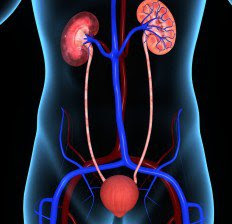 Coconut oil has been known to clear up and heal urinary (UTI) and kidney infections. The MCFA’s in the oil work as a natural antibiotic by disrupting the lipid coating on bacteria and killing them. Also there is a study showing that coconut oil directly protected the liver from damage.
Coconut water also helps hydrate and support the healing process. Doctors have even injected the coconut water to clear up kidney stones. Coconut is a super powerful food!
4. Reduces Inflammation and Arthritis
In a study in India, the high levels of antioxidants present in virgin coconut oil reduced inflammation and healing arthritis more effectively than leading medications. (4)
In another recent study, coconut oil that was harvested with only medium heat was found to suppress inflammatory cells. It worked as both an analgesic and anti-inflammatory.
Fighting cancer
5. Cancer Prevention and Treatment
Coconut oil has been known to clear up and heal urinary (UTI) and kidney infections. The MCFA’s in the oil work as a natural antibiotic by disrupting the lipid coating on bacteria and killing them. Also there is a study showing that coconut oil directly protected the liver from damage.
Coconut water also helps hydrate and support the healing process. Doctors have even injected the coconut water to clear up kidney stones. Coconut is a super powerful food!
4. Reduces Inflammation and Arthritis
In a study in India, the high levels of antioxidants present in virgin coconut oil reduced inflammation and healing arthritis more effectively than leading medications. (4)
In another recent study, coconut oil that was harvested with only medium heat was found to suppress inflammatory cells. It worked as both an analgesic and anti-inflammatory.
Fighting cancer
5. Cancer Prevention and Treatment
 Coconut oil has two qualities that help it fight cancer. One, because of the ketones produced in it’s digestion. Tumor cells are not able to access the energy in ketones and are glucose dependent. It is believed that a ketogenic diet could be a possible component of helping cancer patients recover.
Two, as the MCFA’s digest the lipid walls of bacteria, they also can kill the helicobacter pylori bacteria that has been known as increasing the risk of stomach cancer. Even in studies where cancer is chemically induced, the introduction of coconut oil prevents cancer from developing!
6. Immune System Boost (antibacterial, anti-fungal, and anti-viral)
Coconut oil contains lauric acid, which is known to reduce candida, fight bacteria, and create a hostile environment for viruses. Many diseases today are causes by the overgrowth of bad bacteria, funguses, viruses and parasites in the body.
You can replace grains and sugar in your diet with coconut oil as your natural fuel source when you’re sick. Sugar feeds the growth of bad bacteria. Instead take 1 TBSP of coconut oil 3x daily when sick and consume plenty of vegetables and bone broth as well.
bright ideas lightbulb, memory
7. Improves Memory and Brain Function
Coconut oil has two qualities that help it fight cancer. One, because of the ketones produced in it’s digestion. Tumor cells are not able to access the energy in ketones and are glucose dependent. It is believed that a ketogenic diet could be a possible component of helping cancer patients recover.
Two, as the MCFA’s digest the lipid walls of bacteria, they also can kill the helicobacter pylori bacteria that has been known as increasing the risk of stomach cancer. Even in studies where cancer is chemically induced, the introduction of coconut oil prevents cancer from developing!
6. Immune System Boost (antibacterial, anti-fungal, and anti-viral)
Coconut oil contains lauric acid, which is known to reduce candida, fight bacteria, and create a hostile environment for viruses. Many diseases today are causes by the overgrowth of bad bacteria, funguses, viruses and parasites in the body.
You can replace grains and sugar in your diet with coconut oil as your natural fuel source when you’re sick. Sugar feeds the growth of bad bacteria. Instead take 1 TBSP of coconut oil 3x daily when sick and consume plenty of vegetables and bone broth as well.
bright ideas lightbulb, memory
7. Improves Memory and Brain Function
 In a 2004 study published in the journal of Neurobiology of Aging, they found that the MCFA’s found in coconut oil improved the memory problems in their older subjects.
Across all the patients there was a marked improvement in their recall ability after taking this fatty acid. As the MCFA’s are absorbed easily in the body and can be accessed in the brain without the use of insulin, they are able to fuel brain cells more efficiently. (5)
8. Improves Energy and Endurance
Coconut oil is easy to digest, but also produces a longer sustained energy and increases your metabolism. When taking a quality non-processed coconut oil, you can get the most benefit as it’s MCFA’s are sent directly to the liver to be converted into energy!
Today, many triathletes will use coconut oil as their source of fuels during training and races for long distance events. You can make a homemade energy fuel by mixing coconut oil, raw honey and chia seeds together. Simply put together 1 TBSP of each and consume 30 minutes prior to exercise.
Gastritis, Stomach Ulcers improvement
9. Improves Digestion, Reduces Stomach Ulcers & Ulcerative Colitis
In a 2004 study published in the journal of Neurobiology of Aging, they found that the MCFA’s found in coconut oil improved the memory problems in their older subjects.
Across all the patients there was a marked improvement in their recall ability after taking this fatty acid. As the MCFA’s are absorbed easily in the body and can be accessed in the brain without the use of insulin, they are able to fuel brain cells more efficiently. (5)
8. Improves Energy and Endurance
Coconut oil is easy to digest, but also produces a longer sustained energy and increases your metabolism. When taking a quality non-processed coconut oil, you can get the most benefit as it’s MCFA’s are sent directly to the liver to be converted into energy!
Today, many triathletes will use coconut oil as their source of fuels during training and races for long distance events. You can make a homemade energy fuel by mixing coconut oil, raw honey and chia seeds together. Simply put together 1 TBSP of each and consume 30 minutes prior to exercise.
Gastritis, Stomach Ulcers improvement
9. Improves Digestion, Reduces Stomach Ulcers & Ulcerative Colitis
 Coconut also improves digestion as it helps the body to absorb fat-soluble vitamins, calcium, and magnesium.
If coconut oil is taken at the same time as omega-3 fatty acids, it can make them twice as effective, as they are readily available to be digested and used by the body.
Coconut oil can help improve bacteria and gut health by destroying bad bacteria and candida. Candida imbalance especially can decrease stomach acid which causes inflammation and poor digestion.
10. Reduces Symptoms of Gallbladder Disease & Pancreatitis
The MCFA’s of coconut oil do not need the pancreatic enzymes to be broken down, so taking coconut oil eases the strain on the pancreas.
Additionally, this super fat is so easy to digest that it has been known to improve the symptoms of gallbladder disease as well. Replace other long-chain fats with coconut oil to improve gallbladder and total body health.
11. Improves Skin Issues (burns, eczema, dandruff, dermatitis, and psoriasis)
Coconut oil is wonderful as a face cleanser, moisturizer and sun screen, but also it can treat many skin disorders. The fatty acids (Caprylic and Lauric) in coconut oil reduce inflammation internally and externally and moisturize making them a great solution for all types of skin conditions.
It protects the skin and has many antioxidants that make it ideal for healing the skin. In addition the antimicrobial properties balance out the candida or fungal sources that can cause many skin conditions.
healthy teeth and gums, bright white smile
12. Prevents Gum Disease and Tooth Decay
Coconut also improves digestion as it helps the body to absorb fat-soluble vitamins, calcium, and magnesium.
If coconut oil is taken at the same time as omega-3 fatty acids, it can make them twice as effective, as they are readily available to be digested and used by the body.
Coconut oil can help improve bacteria and gut health by destroying bad bacteria and candida. Candida imbalance especially can decrease stomach acid which causes inflammation and poor digestion.
10. Reduces Symptoms of Gallbladder Disease & Pancreatitis
The MCFA’s of coconut oil do not need the pancreatic enzymes to be broken down, so taking coconut oil eases the strain on the pancreas.
Additionally, this super fat is so easy to digest that it has been known to improve the symptoms of gallbladder disease as well. Replace other long-chain fats with coconut oil to improve gallbladder and total body health.
11. Improves Skin Issues (burns, eczema, dandruff, dermatitis, and psoriasis)
Coconut oil is wonderful as a face cleanser, moisturizer and sun screen, but also it can treat many skin disorders. The fatty acids (Caprylic and Lauric) in coconut oil reduce inflammation internally and externally and moisturize making them a great solution for all types of skin conditions.
It protects the skin and has many antioxidants that make it ideal for healing the skin. In addition the antimicrobial properties balance out the candida or fungal sources that can cause many skin conditions.
healthy teeth and gums, bright white smile
12. Prevents Gum Disease and Tooth Decay
 Oil pulling with coconut oil has been used for centuries as a way to cleanse the mouth of bacteria and help heal periodontal disease. Coconut oil is one of the most effective oils for oil pulling due to it’s high concentration of antibacterial MCFA’s.
By swishing the oil in your mouth the oil denatures the bacteria and sticks to it. Removing oral bacteria greatly reduces your risk of periodontal disease. If you want to heal your gums and repair your teeth, I recommend coconut oil pulling 3x a week for 20 minutes a day.
13. Prevents Osteoporosis
Oxidative stress and free radicals are the two biggest culprits of osteoporosis. Since coconut oil has such high levels of antioxidants which help fight free radicals, it is a leading natural treatment for osteoporosis.
Another of the amazing coconut oil benefits is that it increases calcium absorption in the gut. Research with osteoporosis has found that coconut oil not only increases bone volume and structure in subjects, but also decreased bone loss due to osteoporosis. (6)
Man writing Diabetes
14. Improves Type II Diabetes
Oil pulling with coconut oil has been used for centuries as a way to cleanse the mouth of bacteria and help heal periodontal disease. Coconut oil is one of the most effective oils for oil pulling due to it’s high concentration of antibacterial MCFA’s.
By swishing the oil in your mouth the oil denatures the bacteria and sticks to it. Removing oral bacteria greatly reduces your risk of periodontal disease. If you want to heal your gums and repair your teeth, I recommend coconut oil pulling 3x a week for 20 minutes a day.
13. Prevents Osteoporosis
Oxidative stress and free radicals are the two biggest culprits of osteoporosis. Since coconut oil has such high levels of antioxidants which help fight free radicals, it is a leading natural treatment for osteoporosis.
Another of the amazing coconut oil benefits is that it increases calcium absorption in the gut. Research with osteoporosis has found that coconut oil not only increases bone volume and structure in subjects, but also decreased bone loss due to osteoporosis. (6)
Man writing Diabetes
14. Improves Type II Diabetes
 When cells refuse to respond to insulin and no longer take in glucose for energy, then they are considered insulin resistant. The pancreas then pumps out more insulin to compensate and creates an overproduction cycle. Insulin resistance is the precursor to Type II diabetes.
The MCFA’s in coconut oil helps balance the insulin reactions in the cells and promote healthy digestive process. They take off the strain on the pancreas and give the body a consistent energy source that is not dependent on glucose reactions which can prevent insulin resistance and Type II diabetes.
Weight loss, losing inches
15. Coconut Oil for Weight loss
When cells refuse to respond to insulin and no longer take in glucose for energy, then they are considered insulin resistant. The pancreas then pumps out more insulin to compensate and creates an overproduction cycle. Insulin resistance is the precursor to Type II diabetes.
The MCFA’s in coconut oil helps balance the insulin reactions in the cells and promote healthy digestive process. They take off the strain on the pancreas and give the body a consistent energy source that is not dependent on glucose reactions which can prevent insulin resistance and Type II diabetes.
Weight loss, losing inches
15. Coconut Oil for Weight loss
 Because of the energy creating abilities of coconut oil, it is no wonder that it is beneficial in losing weight. It helps to burn fat, decrease appetite and it studies it was especially helpful in losing belly fat!
Coconut’s ability to help you shed fat has been well established. A 1985 study published in the Journal of Toxicology and Environmental Health proved that a single injection of capric acid resulted in “initially rapid, then gradual decrease in food consumption and a parallel loss of body weight” in male rats.
It might seem counterintuitive to assume that eating coconut oil (a fat) will contribute to fat loss, but it is actually quite logical. The key to understanding this phenomenon lays in the multidimensional ability of the MCFAs to control a variety of physiological processes.
For example, in the 1985 study mentioned above, it was discovered that capric acid shows significant improvements in thyroid function, helps lower resting heart rate, and assists your body in burning fat for energy.
More recently, the Obesity Research Journal published a study from Boston University Medical School that gives us a clue why MCFAs have fat burning ability. (7)
Testing the effects that MFCAs have on fat breakdown, adipose (fatty) cells in rats were pretreated with caprylic acid. They observed that fat breakdown occurred at such a significant level that it literally mimicked the characteristics of fasting.
Fasting, in this sense, is not to be regarded as negative, but positive in that the body uses its energy reserves most effectively and speeds up the breakdown of needless fat reserves.
In the words of the researchers who conducted this study, “Such changes could contribute, in part, to weight loss in animals and humans associated with dietary medium-chain fatty acids.”
man flexing muscle bicep
16. Building Muscle and Losing Body Fat
Because of the energy creating abilities of coconut oil, it is no wonder that it is beneficial in losing weight. It helps to burn fat, decrease appetite and it studies it was especially helpful in losing belly fat!
Coconut’s ability to help you shed fat has been well established. A 1985 study published in the Journal of Toxicology and Environmental Health proved that a single injection of capric acid resulted in “initially rapid, then gradual decrease in food consumption and a parallel loss of body weight” in male rats.
It might seem counterintuitive to assume that eating coconut oil (a fat) will contribute to fat loss, but it is actually quite logical. The key to understanding this phenomenon lays in the multidimensional ability of the MCFAs to control a variety of physiological processes.
For example, in the 1985 study mentioned above, it was discovered that capric acid shows significant improvements in thyroid function, helps lower resting heart rate, and assists your body in burning fat for energy.
More recently, the Obesity Research Journal published a study from Boston University Medical School that gives us a clue why MCFAs have fat burning ability. (7)
Testing the effects that MFCAs have on fat breakdown, adipose (fatty) cells in rats were pretreated with caprylic acid. They observed that fat breakdown occurred at such a significant level that it literally mimicked the characteristics of fasting.
Fasting, in this sense, is not to be regarded as negative, but positive in that the body uses its energy reserves most effectively and speeds up the breakdown of needless fat reserves.
In the words of the researchers who conducted this study, “Such changes could contribute, in part, to weight loss in animals and humans associated with dietary medium-chain fatty acids.”
man flexing muscle bicep
16. Building Muscle and Losing Body Fat
 MCFAs aren’t just good for burning fat; they are also great for building muscle. The MCFAs found in coconut are also used in popular muscle building products like Muscle Milk™.
The vast majority of heavily produced supplements however, use processed forms of MCFAs. By eating actual coconuts, however, you get the “real deal.” I recommend adding 3 tbsp of coconut oil to a muscle building shake daily.
17. Coconut Oil Benefits for Hair Care
If you have dandruff or dry hair coconut oil has the perfect fatty acids to help improve these conditions. You can make homemade coconut lavender shampoo to improve your hair and use straight coconut oil as an all natural hair conditioner.
To get rid of dandruff and to thicken hair massage 1 tbsp coconut oil mixed with 10 drops of rosemary essential oil into your scalp for 3 minutes. Then shower 30 minutes later.
18. Candida and Yeast Infections
A study published in the journal of Antimicrobial Agents and Chemotherapy found the capric acid and lauric acid in coconut oil were an effective natural treatment for candida albicans and yeast infections.
To effectively kill candida and treat yeast infections remove processed sugar and refined grains from your diet and consume plenty of healthy fats. Take 1 tbsp of coconut oil 3x daily as a supplement. (8)
19. Coconut Oil for Anti-aginganti-aging woman's face
MCFAs aren’t just good for burning fat; they are also great for building muscle. The MCFAs found in coconut are also used in popular muscle building products like Muscle Milk™.
The vast majority of heavily produced supplements however, use processed forms of MCFAs. By eating actual coconuts, however, you get the “real deal.” I recommend adding 3 tbsp of coconut oil to a muscle building shake daily.
17. Coconut Oil Benefits for Hair Care
If you have dandruff or dry hair coconut oil has the perfect fatty acids to help improve these conditions. You can make homemade coconut lavender shampoo to improve your hair and use straight coconut oil as an all natural hair conditioner.
To get rid of dandruff and to thicken hair massage 1 tbsp coconut oil mixed with 10 drops of rosemary essential oil into your scalp for 3 minutes. Then shower 30 minutes later.
18. Candida and Yeast Infections
A study published in the journal of Antimicrobial Agents and Chemotherapy found the capric acid and lauric acid in coconut oil were an effective natural treatment for candida albicans and yeast infections.
To effectively kill candida and treat yeast infections remove processed sugar and refined grains from your diet and consume plenty of healthy fats. Take 1 tbsp of coconut oil 3x daily as a supplement. (8)
19. Coconut Oil for Anti-aginganti-aging woman's face
 According to research published in the medical journal Food and Function, coconut oil improves antioxidant levels and can slow aging. Coconut oil works by reducing stress on the liver and by lowering oxidative stress. (9)
Also, they found that coconut oil may support detoxification because of how it works with the liver. To naturally slow aging take 1 tbsp of coconut oil with anti-oxidant rich berries for breakfast. You can also apply it directly to skin for additional benefits and smoothing.
20. Coconut Oil for Hormone Balance
Using coconut oil benefits your hormones as well! Coconut oil may help naturally balance hormones because it’s a great source of saturated fat including lauric acid. Studies have found that coconut oil may be an excellent fat to consume during menopause and also may have positives effects on estrogen levels. (10)
In order to naturally balance hormones reduce sugar and grain consumption and load up on healthy fats from coconut, avocado, flax seeds and ghee.
Proven Coconut Oil Health Benefits List infographic
Coconut Oil Side Effects
There are rarely any side effects for coconut oil. Occasionally a contact allergy may occur for certain individuals that are allergic to coconuts. Some of the cleaning products created by coconut oil have been known to cause contact allergies as well, but it is not common. (11) In fact, coconut oil is known for reducing side effects of many medications. And in studies, it reduced the symptoms and side effects of cancer treatments! (12)
Coconut OilHow to Take Coconut Oil
I use coconut oil for all of my cooking and baking, and I will often put a tablespoon of it in my morning smoothie. You can also apply it directly to your skin or as a carrier for essential oils or blends.
*WARNING – refined or processed coconut oil can be bleached, over-heated, and chemically processed to increase its shelf-life. Processing the oil changes the chemical makeup and the fats are no longer good for you!
According to research published in the medical journal Food and Function, coconut oil improves antioxidant levels and can slow aging. Coconut oil works by reducing stress on the liver and by lowering oxidative stress. (9)
Also, they found that coconut oil may support detoxification because of how it works with the liver. To naturally slow aging take 1 tbsp of coconut oil with anti-oxidant rich berries for breakfast. You can also apply it directly to skin for additional benefits and smoothing.
20. Coconut Oil for Hormone Balance
Using coconut oil benefits your hormones as well! Coconut oil may help naturally balance hormones because it’s a great source of saturated fat including lauric acid. Studies have found that coconut oil may be an excellent fat to consume during menopause and also may have positives effects on estrogen levels. (10)
In order to naturally balance hormones reduce sugar and grain consumption and load up on healthy fats from coconut, avocado, flax seeds and ghee.
Proven Coconut Oil Health Benefits List infographic
Coconut Oil Side Effects
There are rarely any side effects for coconut oil. Occasionally a contact allergy may occur for certain individuals that are allergic to coconuts. Some of the cleaning products created by coconut oil have been known to cause contact allergies as well, but it is not common. (11) In fact, coconut oil is known for reducing side effects of many medications. And in studies, it reduced the symptoms and side effects of cancer treatments! (12)
Coconut OilHow to Take Coconut Oil
I use coconut oil for all of my cooking and baking, and I will often put a tablespoon of it in my morning smoothie. You can also apply it directly to your skin or as a carrier for essential oils or blends.
*WARNING – refined or processed coconut oil can be bleached, over-heated, and chemically processed to increase its shelf-life. Processing the oil changes the chemical makeup and the fats are no longer good for you!


Subscribe to:
Posts (Atom)